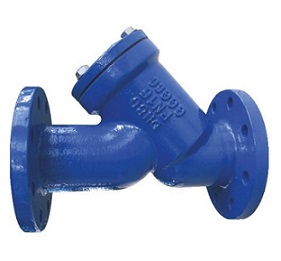
DIN Y-Strainer

A high-performance filter designed to remove solid particles from fluid systems, complying with Deutsches Institut für Normung (DIN) specifications for superior reliability and durability.

View Technical Specs
DIN Resilient Seated NRS Gate Valve

Product Overview

The DIN Y-Strainer is a robust and versatile filter designed to remove solid particles from fluid systems, protecting downstream equipment such as valves, pumps, and meters. Compliant with Deutsches Institut für Normung (DIN) specifications, this strainer is engineered for high-performance applications in industries such as oil and gas, power generation, water treatment, and chemical processing.

Constructed with a durable body (typically carbon steel, stainless steel, or alloy steel) and a precision-machined screen, the DIN Y-Strainer offers excellent resistance to corrosion, erosion, and high temperatures. Its compact Y-shaped design allows for easy installation and maintenance, making it a reliable choice for critical filtration systems.

Available in various sizes, pressure ratings, and end connections (flanged, threaded, or welded), the DIN Y-Strainer can be customized to meet specific application requirements. It is suitable for both on-off and continuous flow services, ensuring optimal performance in a wide range of operating conditions.

Key Features & Benefits

DIN Compliance

Manufactured in accordance with Deutsches Institut für Normung (DIN) specifications, ensuring quality, reliability, and compatibility with industry requirements.

Efficient Filtration

The precision-machined screen effectively removes solid particles from fluid systems, protecting downstream equipment from damage and ensuring smooth operation.

Durable Construction

Built with high-quality materials such as carbon steel, stainless steel, or alloy steel, providing excellent resistance to corrosion, erosion, and high temperatures.

Easy Maintenance

Designed for straightforward maintenance, with a removable screen that allows for easy cleaning or replacement without removing the strainer from the pipeline.

Versatile Applications

Suitable for a wide range of industries, including oil and gas, power generation, water treatment, chemical processing, and more.

Customizable Options

Available in various sizes, pressure ratings, and end connections, allowing for customization to meet specific application requirements.

Technical Specifications

Basic Parameters

Parameter Specification Range
Nominal Diameter (DN) DN15 ~ DN600
Pressure Rating PN10, PN16, PN25, PN40, PN63, PN100, PN160
Operating Temperature -20°C ~ 500°C (Depending on material)
Applicable Media Water, Steam, Oil, Gas, Chemicals, Slurries
Screen Mesh Size 10 ~ 400 mesh (Customizable)

Material Specifications

Component Material Options Standards/Features
Body Carbon Steel, Stainless Steel, Alloy Steel DIN EN 10216-2 P235GH, DIN EN 10216-2 P265GH, DIN EN 10216-5 X5CrNi18-10
Screen Stainless Steel, Monel, Hastelloy High corrosion resistance, customizable mesh size
Cover Carbon Steel, Stainless Steel Easy access for screen cleaning or replacement
End Connection Flanged, Threaded, Welded DIN EN 1092-1, DIN EN 1092-2

Standards & Compliance

  • Design Standards: DIN EN 1092-1, DIN EN 1092-2
  • Testing Standards: DIN EN 12266-1, DIN EN 12266-2
  • Certifications: CE, ISO 9001

Working Principle

The DIN Y-Strainer operates on a simple mechanism to remove solid particles from fluid systems:

  1. Fluid Entry: Fluid enters the strainer through the inlet and flows through the Y-shaped body towards the screen.
  2. Particle Filtration: The screen traps solid particles, allowing clean fluid to pass through the outlet.
  3. Particle Accumulation: Trapped particles accumulate in the lower part of the Y-shaped body, preventing them from entering downstream equipment.
  4. Maintenance: The screen can be easily removed for cleaning or replacement by opening the cover, ensuring minimal downtime.

Application Areas

Oil & Gas

Used in upstream, midstream, and downstream oil and gas operations to protect pumps, valves, and meters from solid particles.

Power Generation

Suitable for power plants, including thermal, nuclear, and renewable energy facilities, to protect boiler feedwater systems and cooling water loops.

Water Treatment

Ideal for water and wastewater treatment plants, providing reliable filtration for pumps, meters, and distribution systems.

Chemical Processing

Used in chemical plants to protect process equipment from solid contaminants in corrosive and hazardous fluids.

Industrial Manufacturing

Suitable for various manufacturing processes, including food and beverage, pharmaceuticals, and pulp and paper, to protect processing equipment.

Marine & Offshore

Designed for marine and offshore applications, including ships, platforms, and subsea systems, to protect seawater intake systems and hydraulic equipment.

Installation & Maintenance

Installation Guidelines

  • Ensure the strainer is installed in the correct orientation with the flow direction arrow on the body pointing in the direction of flow.
  • Install the strainer in a straight section of pipeline to ensure uniform flow distribution.
  • Use appropriate gaskets and bolts to secure the flanged connections. Tighten the bolts evenly in a crisscross pattern to the recommended torque.
  • Provide adequate support for the pipeline to prevent stress on the strainer body.
  • Install isolation valves upstream and downstream of the strainer to allow for maintenance without shutting down the entire system.
  • Perform a leak test after installation to ensure proper sealing.

Maintenance Recommendations

  • Inspect the strainer regularly for signs of clogging, corrosion, or leakage. Clean or replace the screen as needed.
  • Monitor the pressure drop across the strainer. A significant increase in pressure drop indicates that the screen needs cleaning.
  • Clean the screen by removing the cover and washing it with a suitable solvent or by backflushing with clean fluid.
  • Replace the screen if it is damaged or if the mesh size is no longer suitable for the application.
  • Keep records of maintenance activities and replacement parts for future reference.

Frequently Asked Questions (FAQ)

Q: What is the difference between a DIN Y-Strainer and a regular Y-Strainer?

A: A DIN Y-Strainer is specifically designed and manufactured to comply with Deutsches Institut für Normung (DIN) specifications, ensuring quality, reliability, and compatibility with industry requirements. Regular Y-Strainers may not meet these specific standards.

Q: Can DIN Y-Strainers be used for high-pressure applications?

A: Yes, DIN Y-Strainers are available in pressure ratings up to PN160, making them suitable for high-pressure applications in industries such as oil and gas, power generation, and chemical processing.

Q: How do I select the right mesh size for my DIN Y-Strainer?

A: The mesh size should be based on the size of the particles that need to be removed and the flow rate. A finer mesh will remove smaller particles but may result in a higher pressure drop. Consult with our technical team for assistance in selecting the appropriate mesh size.

Q: Are DIN Y-Strainers suitable for corrosive applications?

A: Yes, DIN Y-Strainers can be made of materials such as stainless steel, Monel, or Hastelloy, which offer excellent resistance to corrosion. The specific material should be selected based on the type of corrosive fluid being handled.

Q: Can DIN Y-Strainers be installed in any orientation?

A: DIN Y-Strainers are typically installed in horizontal pipelines with the screen in the downward position to facilitate particle collection. They can also be installed in vertical pipelines with upward flow, but downward flow is not recommended as it may affect the filtration performance.

Need Custom Solutions?

Our engineering team can customize DIN Y-Strainers to meet your specific pressure, temperature, and media requirements. Contact us today for a personalized quote.

Contact Our Technical Team